Jino Ethnic Group
Introduction
The Jino ethnic group, one of China's recognized ethnic groups, predominantly resides in Southwest China's Yunnan province. They were the last of the 56 ethnic groups to be officially recognized by the Chinese government, gaining this status in 1979. The Jino people have a rich cultural heritage that includes unique traditions, customs, and oral histories. The preservation of these cultural elements has become a focus of efforts by various cultural heritage protection agencies in China, highlighting the importance of maintaining the intangible cultural heritage of smaller ethnic groups like the Jino.
History
The Jino ethnic group has a history that is as rich as it is obscure, with much of their early history detailed in oral traditions rather than written records. Historically, the Jino people have been primarily settled in the mountainous regions of Yunnan, where they have developed a lifestyle closely tied to the natural environment. Over the years, their history has been shaped by their interactions with neighboring ethnic groups, as well as their adaptation to the changing geographical and political landscapes. The official recognition of the Jino as a distinct ethnic group in 1979 was a significant milestone, acknowledging their unique cultural identity within the broader tapestry of China's ethnic diversity.
Language
The Jino language is part of the Tibeto-Burman language family, which is also spoken by various other ethnic groups in the region. It remains an integral part of the Jino cultural identity, serving as a primary medium for transmitting traditional stories, songs, and customs across generations. Given the small population of the Jino people, their language is considered to be at risk, with cultural preservation efforts focusing on maintaining its use among younger generations. This includes documentation of the language as part of broader efforts to preserve the Jino's oral traditions, thereby safeguarding an essential element of their cultural heritage.
Culture
The culture of the Jino ethnic group is characterized by its deep-rooted traditions and vibrant expressions of ethnic identity. The Jino people have a distinct cultural heritage that manifests in various aspects of their daily lives, from clothing and festivals to the culinary arts.
Traditional Clothing
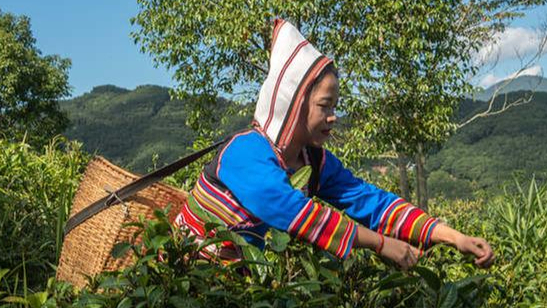
Traditional clothing is an important aspect of Jino culture, reflecting both social identity and environmental adaptation. Their attire is typically made from locally sourced materials, often featuring intricate patterns and designs that hold cultural significance. These garments are not only practical for the mountainous climate but also serve as a form of cultural expression, with styles varying according to different occasions and social statuses within the community.
Festivals
Festivals play a crucial role in the cultural life of the Jino people, serving as occasions for communal gathering, celebration, and the reinforcement of cultural identity. These events are often marked by traditional music, dance, and rituals that have been passed down through generations. Festivals provide a platform for the Jino to express their unique cultural narratives and reinforce social bonds within the community, while also offering a glimpse into their rich cultural heritage to others.
Cuisine
Jino cuisine is a reflection of their natural environment and agricultural practices. It primarily consists of locally sourced ingredients, including a variety of vegetables, meats, and grains. Traditional cooking methods and recipes are passed down through generations, and meals often hold cultural significance, serving as an integral part of Jino festivals and communal gatherings. The Jino culinary tradition is indicative of their resourcefulness and connection to their land, with food serving not only as sustenance but also as a means of cultural expression.
Economy
The economy of the Jino ethnic group is predominantly based on agriculture, with activities centered around the cultivation of crops such as rice and tea, as well as the raising of livestock. The mountainous terrain of their homeland dictates much of their agricultural practices, requiring ingenuity and adaptation to maximize productivity. In recent years, tourism has become an additional economic avenue, with the Jino culture and landscape attracting visitors interested in experiencing their unique way of life. This economic diversification is seen as a means of improving living standards while also promoting and preserving Jino cultural heritage.
Preservation and Promotion
Efforts to preserve and promote the Jino ethnic group's cultural heritage are multifaceted, involving both governmental and non-governmental organizations. These initiatives focus on documenting and revitalizing the Jino language and oral traditions, preserving traditional crafts and practices, and promoting sustainable tourism that highlights their cultural heritage. By integrating cultural preservation with economic development, these efforts aim to ensure that the Jino people can maintain their cultural identity while adapting to the challenges of modernity. The preservation of Jino culture is seen as vital not only for the Jino people themselves but also as a contribution to the broader diversity and richness of global cultural heritage.








